The Complete EV Charging Guide for Homeowners (2026)
📅 Updated February 2025 · 10 min read
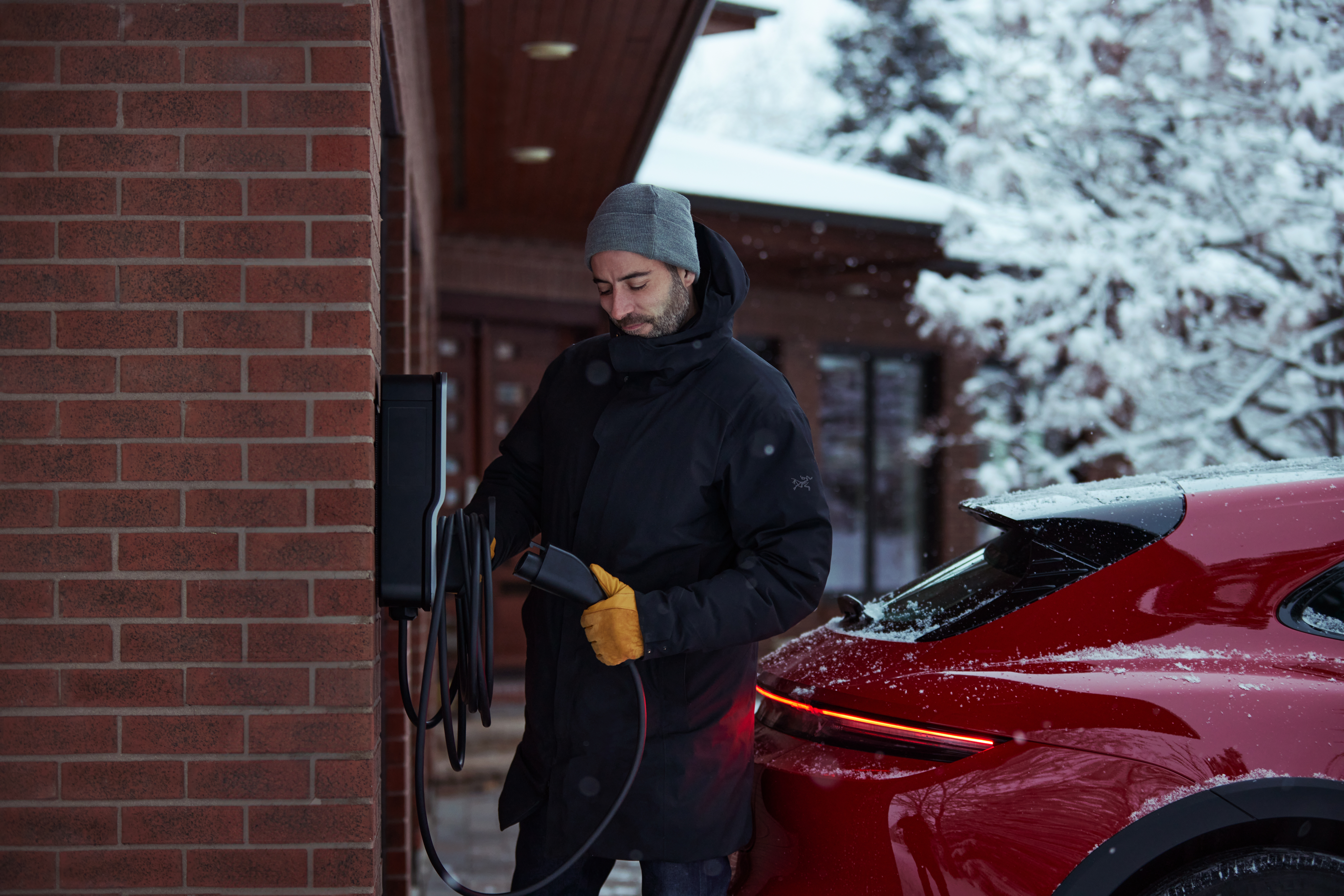
Whether you're a first-time EV owner or upgrading your setup, this guide covers everything — from the basics of home charging to maximizing rebates and installation tips.
Why Home Charging Is the Smart Choice
Over 80% of all EV charging in the US happens at home. It's cheaper, more convenient, and more reliable than public charging. Think of it like charging your smartphone: you plug in at night and wake up with a full "tank."

Step 1: Assess Your Home's Electrical SystemStep 1: Assess Your Home's Electrical System
Before anything else, you need to know what your home's electrical panel can handle. Here's how to do a quick self-check:
Open your breaker box and find the main breaker at the top.
The number on that breaker = your total capacity in amps (usually 100A, 150A, or 200A).
200A panel: You're in great shape — can handle a Level 2 charger with no issue.
100A panel: May need an upgrade or energy management system before installing a Level 2 charger.
Always have a licensed electrician confirm before purchasing any equipment.
Step 2: Choose Your Charger Type
Level 1 (120V): Plug into any standard outlet. Adds 3–5 miles/hour. Free with most new EVs. Best for low-mileage drivers only.
Level 2 (240V): Requires dedicated circuit. Adds 25–40 miles/hour. Fully charges most EVs overnight. The right choice for almost all homeowners.
Step 3: Pick the Right Plug Type
J1772: Standard for non-Tesla EVs made before 2025.
NACS: Tesla's standard, now adopted by Ford, GM, Rivian, and others for 2025+ models.

Step 4: Hire a Licensed Electrician
DIY installation is not recommended for Level 2 chargers. A licensed electrician will:
1.Assess your panel and calculate load capacity
2.Install a dedicated 240V circuit and breaker
3.Handle permits and local code compliance
4.Mount and wire the charger safely
5.Schedule the final inspection
Most installations take 2–4 hours and cost $500–$1,500 in labor.
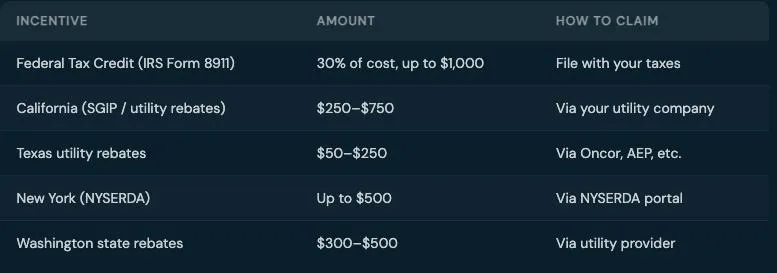
Step 5: Claim Your Rebates
Smart Charging Tips to Save Money
1.Charge during off-peak hours (midnight–6 AM) for the lowest electricity rates.
2.Sign up for a TOU (Time-of-Use) rate plan with your utility — many offer EV-specific discounts.